

How Cultural Diversity Is Driving Growth in the Religious Products Market

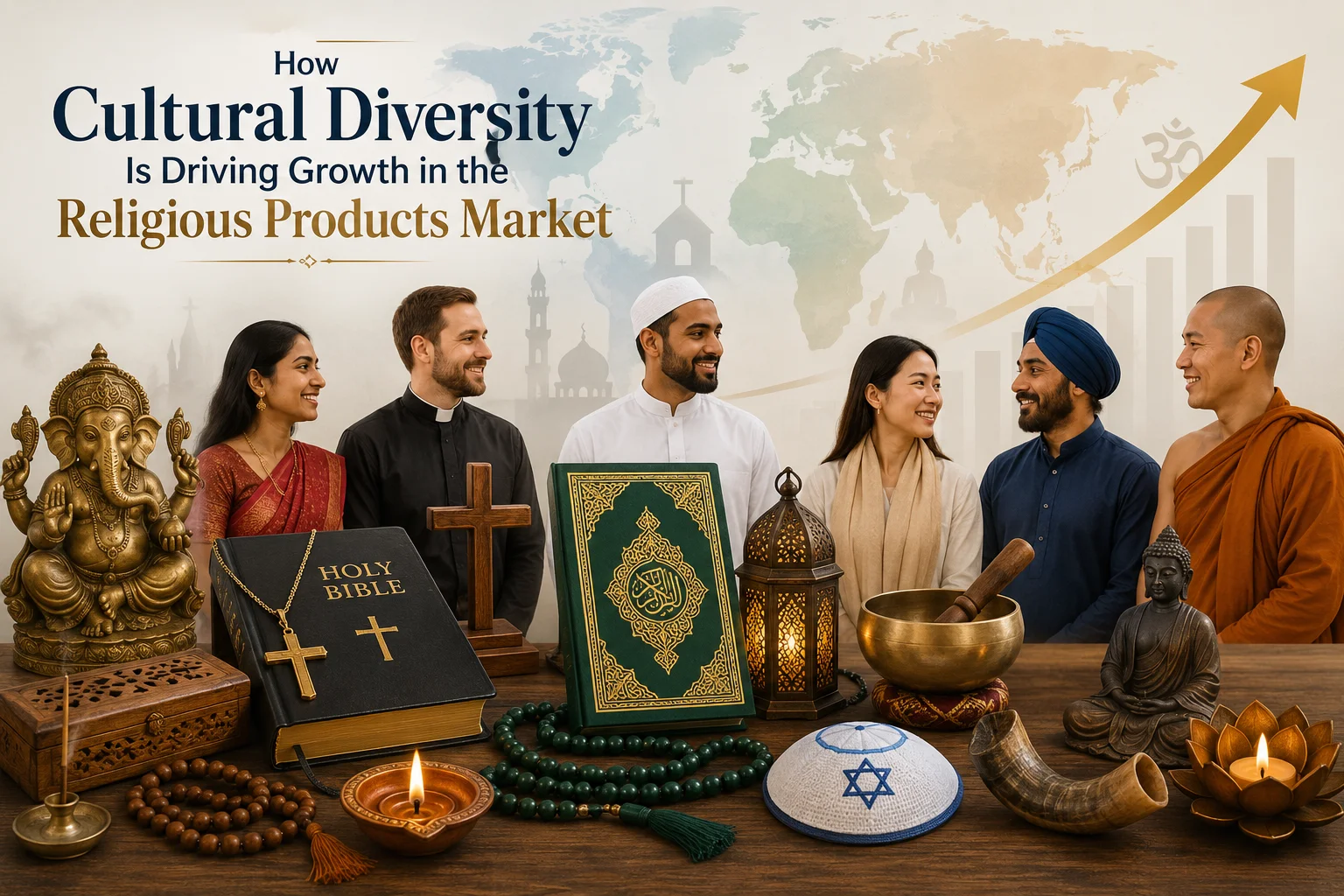
The United States has long been recognized as one of the most culturally diverse countries in the world. Over the years, communities from different backgrounds have brought their traditions, beliefs, celebrations, and customs with them, contributing to a vibrant multicultural landscape. Today, this diversity is influencing more than social interactions and community events, it is also shaping consumer preferences and driving significant growth in the religious products market.
From temples and cultural centers to specialty retailers and online stores, the demand for authentic religious and cultural products continues to expand across the country. Cities such as Houston, Texas; Chicago, Illinois; Atlanta, Georgia; Fremont, California; Edison, New Jersey; and Seattle, Washington have become important hubs where cultural traditions thrive and communities actively seek products that reflect their heritage.
As cultural awareness grows and communities continue to celebrate their traditions openly, the religious products market is evolving into an important segment of the American economy.
The Impact of Cultural Diversity on Consumer Demand
America’s multicultural population has created a marketplace unlike any other. Consumers are no longer limited to products associated with their own cultural backgrounds. Instead, many are exploring traditions, art forms, spiritual practices, and cultural experiences from around the world.
This shift has led to growing interest in products that carry cultural significance and authentic craftsmanship. Religious statues, spiritual décor, handcrafted artifacts, ceremonial items, and traditional gifts are increasingly sought after by individuals, families, organizations, and retailers.
In metropolitan areas such as Houston and Dallas, where diverse communities continue to grow, cultural celebrations and religious events often attract thousands of participants annually. Similar trends can be seen in Fremont, San Jose, Edison, and Chicago, where cultural traditions remain an important part of everyday life.
These developments have helped create a strong and sustainable market for authentic religious products that serve both cultural and spiritual purposes.
Religious Products Are No Longer a Niche Category
For many years, religious products were often viewed as niche items purchased primarily by faith-based organizations and specific community groups. Today, that perception is changing.
Religious and cultural products have become increasingly visible in retail stores, community events, cultural festivals, and online marketplaces. Consumers are seeking products that help them connect with their traditions, celebrate important occasions, and create meaningful spaces within their homes and communities.
The growing popularity of wellness practices, meditation spaces, cultural education programs, and heritage-focused events has also contributed to this trend. Many people appreciate products that represent craftsmanship, tradition, and cultural identity, even if they are not directly connected to the culture itself.
As a result, the market for religious products has expanded far beyond its traditional audience.
Community Celebrations Are Creating Year-Round Demand
One of the biggest factors contributing to market growth is the increasing visibility of cultural and religious celebrations throughout the United States.
Events such as Diwali, Navratri, Ganesh Chaturthi, temple anniversaries, cultural fairs, and heritage festivals bring communities together while introducing cultural traditions to wider audiences. These celebrations often require a variety of products, including religious idols, decorative items, ceremonial supplies, gifts, and traditional artifacts.
Cities with strong cultural communities, including Atlanta, Houston, Fremont, and Edison, regularly host large-scale celebrations that attract participants from multiple backgrounds. These events help drive awareness and create demand for authentic products throughout the year.
Retailers and community organizations often prepare months in advance to ensure they have access to the products needed for these celebrations, creating ongoing opportunities within the religious products market.
Authenticity Has Become a Major Purchasing Factor
Modern consumers place a high value on authenticity. People want products that tell a story, represent genuine traditions, and reflect skilled craftsmanship. This preference has become particularly important in the religious and cultural products industry, where buyers often seek items that carry symbolic and spiritual meaning.
Mass-produced alternatives may be widely available, but many consumers prefer products that are handcrafted by experienced artisans using traditional methods. Authentic products often provide a deeper connection to cultural heritage while offering a level of detail and quality that cannot easily be replicated.
This growing focus on authenticity has encouraged retailers and distributors to work with suppliers who understand the cultural significance behind the products they offer.
Retailers Are Expanding Their Product Offerings
Retailers across the United States are responding to changing consumer interests by expanding their cultural and religious product selections.
Specialty stores, gift shops, spiritual centers, and online businesses increasingly recognize the value of offering products that reflect the diversity of their customer base. Many businesses are moving beyond basic inventory to include a wider range of authentic cultural items that appeal to both traditional buyers and those exploring new cultural experiences.
In cities such as Seattle, Chicago, and Dallas, retailers are adapting to growing demand by introducing products that celebrate cultural heritage while meeting modern consumer expectations.
This trend demonstrates how cultural diversity continues to influence purchasing behavior across multiple industries.
Religious Products Help Preserve Cultural Heritage
Religious products serve a purpose that extends beyond commerce. They help preserve traditions, strengthen community connections, and support cultural education.
For many families, cultural and religious products play an important role in maintaining traditions across generations. Whether displayed in homes, temples, community centers, or cultural organizations, these items help create meaningful connections to heritage and identity.
Younger generations often learn about their cultural backgrounds through participation in festivals, community events, and family traditions. Authentic products help support these experiences while keeping important cultural practices alive.
As communities continue to grow and evolve, the importance of preserving cultural heritage remains a key factor driving demand within the religious products market.
Technology Is Expanding Access to Cultural Products
The growth of e-commerce has made it easier than ever for consumers and businesses to access authentic cultural products.
Retailers are no longer limited by geography when sourcing inventory. Organizations, temples, and businesses throughout the United States can connect with suppliers that specialize in traditional products from around the world.
This increased accessibility has helped broaden the market while allowing buyers to find products that meet specific cultural and quality requirements. It has also created opportunities for suppliers that can consistently provide authentic products backed by reliable manufacturing and distribution practices.
As online shopping continues to evolve, access to cultural and religious products is expected to become even more widespread.
The Future of the Religious Products Market in America
Several factors suggest continued growth for the religious products market in the coming years. The United States continues to experience demographic changes that contribute to cultural diversity. Community organizations remain active in preserving traditions, cultural festivals continue to attract larger audiences, and consumers increasingly value authenticity and craftsmanship.
These trends indicate strong long-term demand for religious and cultural products that reflect heritage, identity, and tradition.
Businesses that understand these market dynamics will be better positioned to serve evolving customer needs while supporting meaningful cultural connections.
Conclusion
Cultural diversity is reshaping the way consumers interact with religious and cultural products across the United States. What was once considered a niche market has become an expanding industry supported by growing communities, increased cultural awareness, and a strong appreciation for authenticity.
From Houston and Atlanta to Fremont and Edison, communities throughout America continue to celebrate traditions that create demand for high-quality religious products, cultural artifacts, and handcrafted items. As interest in heritage, spirituality, and cultural expression continues to grow, the religious products market is expected to remain an important part of the American retail landscape.
Suppliers such as Shreem Overseas contribute to this growing ecosystem by helping retailers, organizations, and communities access authentic Indian religious and cultural products that preserve traditions while meeting the needs of a diverse and evolving marketplace.
Frequently Asked Questions
- Why is the religious products market growing in the United States?
The market is growing because of increasing cultural diversity, greater participation in cultural celebrations, and rising consumer interest in authentic religious and spiritual products. - Which cities in the United States have strong demand for religious products?
Cities including Houston, Dallas, Atlanta, Chicago, Fremont, Edison, Seattle, and San Jose have active cultural communities that contribute significantly to demand for religious and cultural products. - What types of religious products are most in demand today?
Popular products include religious idols, temple supplies, spiritual décor, cultural gifts, ceremonial items, handcrafted statues, and festival-related products. - Why is authenticity important in the religious products industry?
Authenticity helps preserve cultural traditions and ensures products reflect genuine craftsmanship, heritage, and cultural significance. - How do cultural festivals impact the religious products market?
Events such as Diwali, Navratri, temple celebrations, and community festivals create seasonal demand for religious products while also introducing cultural traditions to wider audiences. - Are religious products still considered a niche market?
No. Religious and cultural products have become increasingly mainstream due to growing multicultural communities and broader consumer interest in cultural he.